
Our Certifications
Quality and compliance credentials supporting VitaMFG manufacturing.


Private Label Digestive Enzymes with Activity-First Specifications
VitaMFG develops digestive enzyme capsules for adults looking for practical meal-time nutrition support. The US-first concept uses a 300 mg multi-enzyme blend per serving and targets 20,000 HUT of protease, 5,000 DU of amylase and 1,000 FIP of lipase at the end of shelf life. The daily-use format is two size 0 capsules taken at the start of a main meal.
The 300 mg blend weight is not treated as proof of performance. Enzyme identity, source, carrier content, incoming activity, analytical method, starting overage, capsule fit, packaging and expiry activity must be closed before commercial approval. The sales story can explain activity relevant to protein, carbohydrate and fat digestion, but it cannot present this dietary supplement as treatment for pancreatic enzyme insufficiency, ulcers, persistent digestive symptoms or another disease. Adults with gastrointestinal or pancreatic conditions, ulcer history or anticoagulant use should seek medical guidance before use.
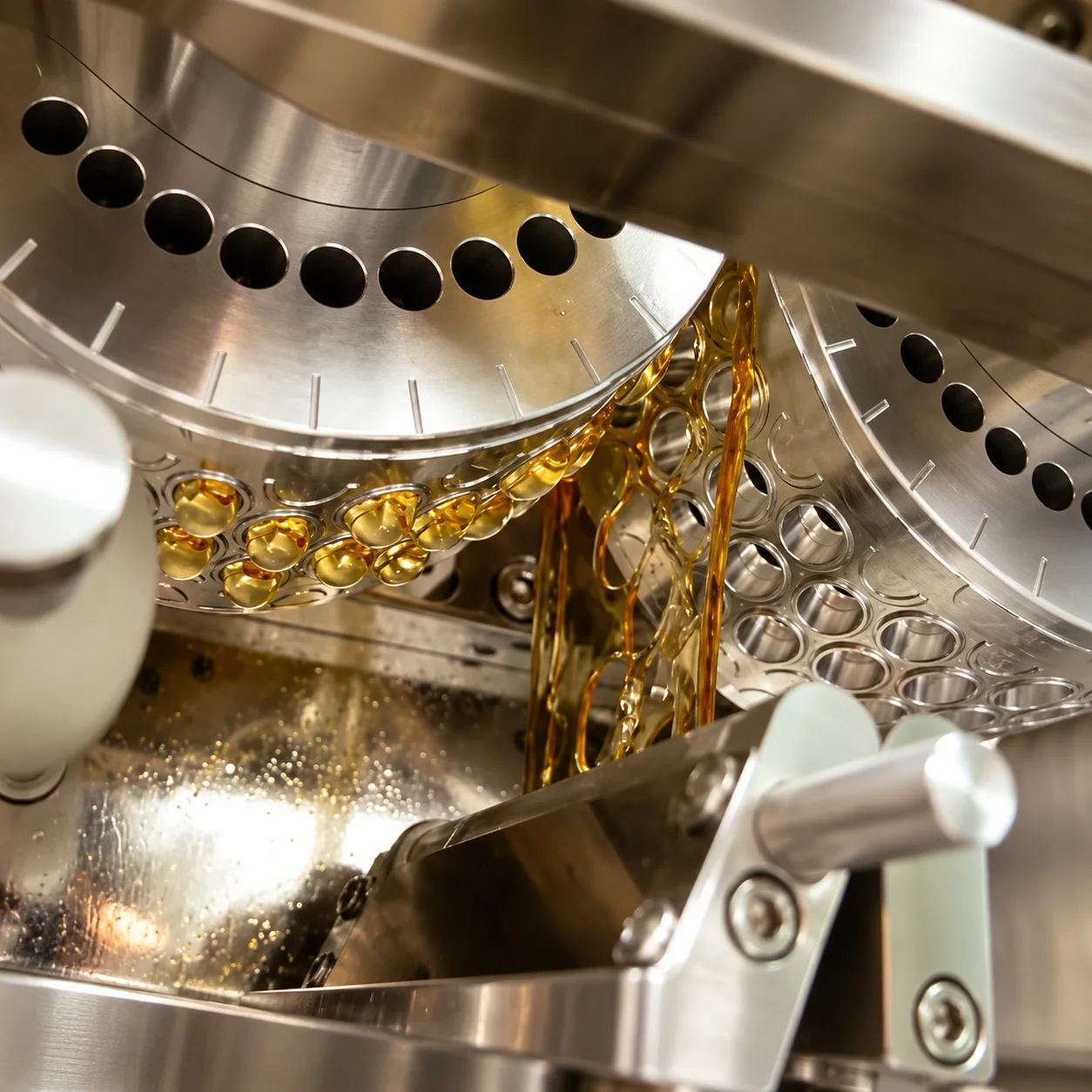
Why Choose VitaMFG for Digestive Enzyme Capsules?
- Enzyme activity declared in HUT, DU and FIP rather than only blend weight
- Activity targets defined for the end of the approved shelf life
- Enzyme source, carrier and activity method reviewed before formula approval
- Starting potency and overage derived from raw-material and stability data
- Low-moisture, low-temperature filling supported by water-activity control
- High-barrier bottle, desiccant and storage wording reviewed as one stability system
Digestive Enzyme Capsule Product Directions
The platform can support several commercial positions while keeping the activity units and meal-time use clear.
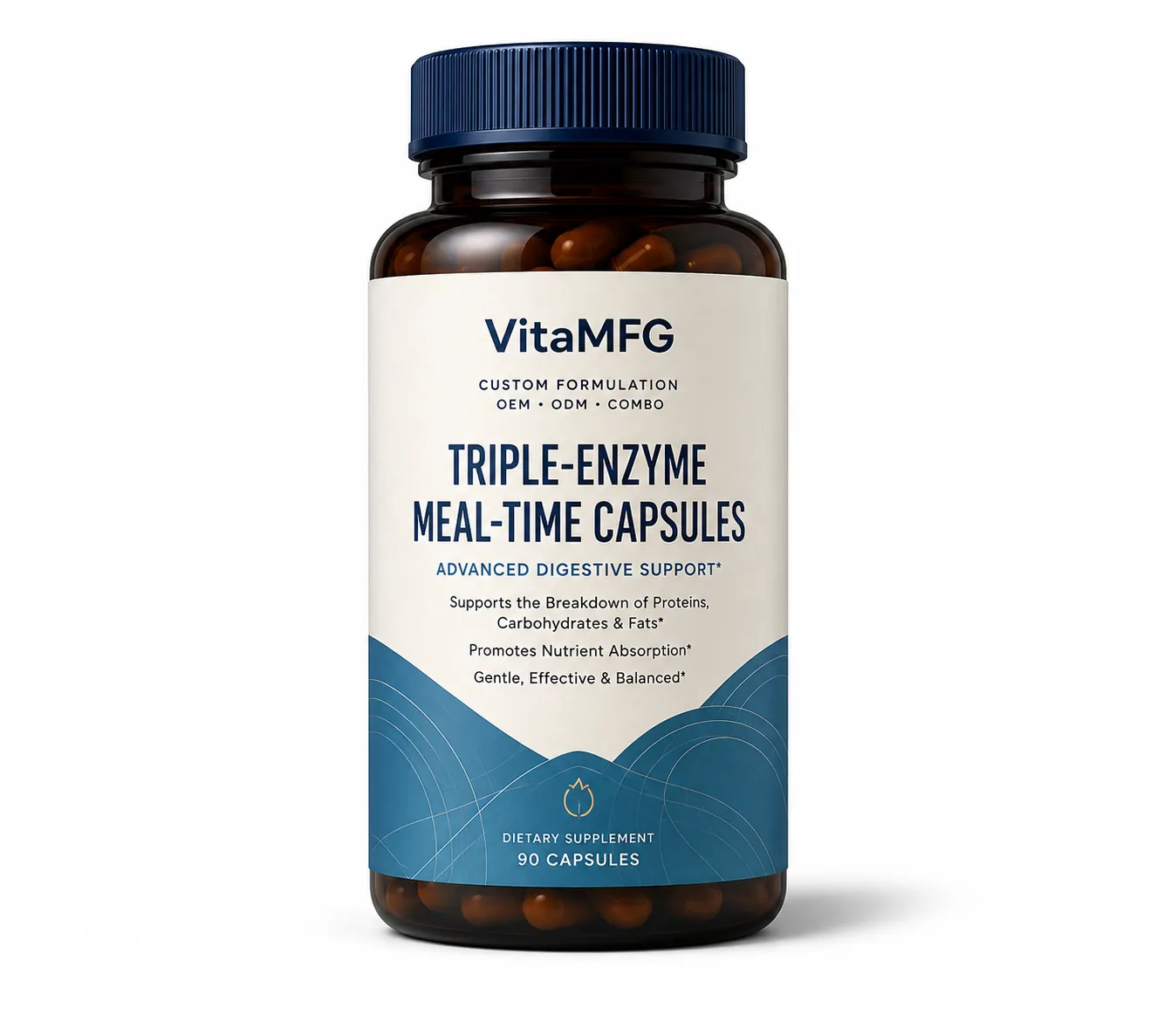
Triple-Enzyme Meal-Time Capsules
A focused blend built around protease, amylase and lipase for protein-, carbohydrate- and fat-digestion activity. The page explains the three-enzyme logic without adding unconfirmed enzymes to the formula.
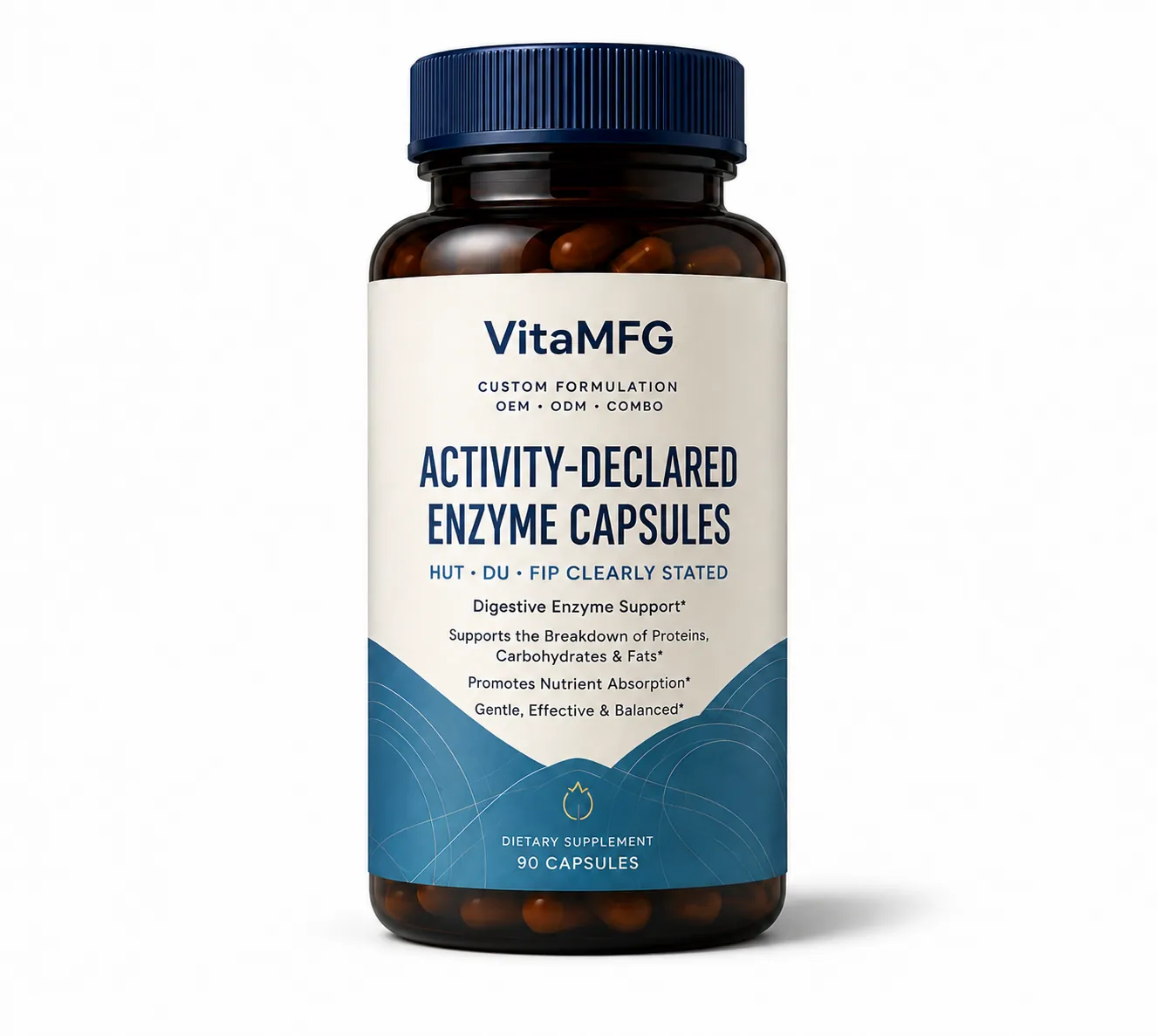
Activity-Declared Enzyme Capsules
HUT, DU and FIP targets are stated separately so the buyer can evaluate enzyme activity rather than relying on a 300 mg proprietary-blend number.
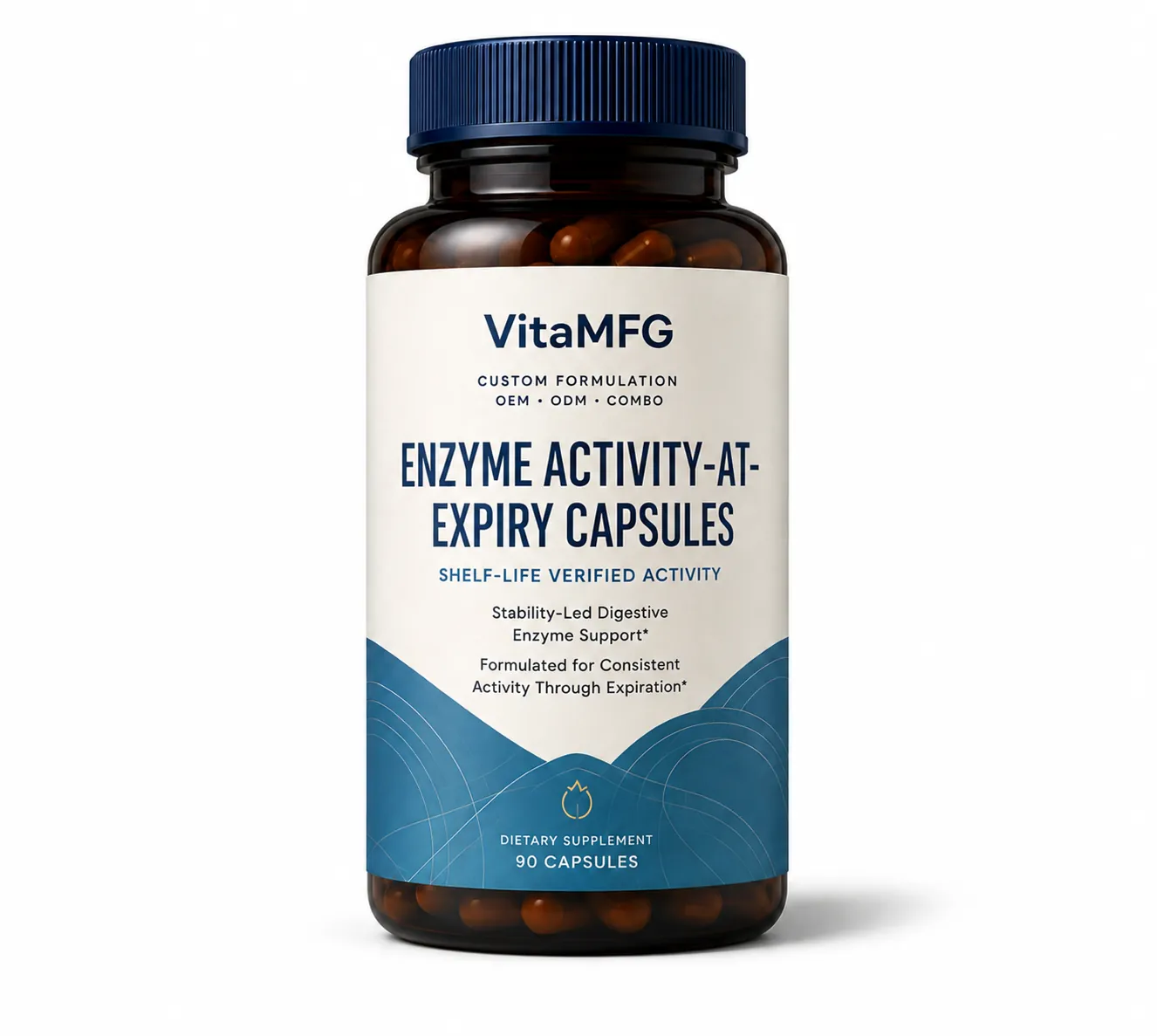
Enzyme Activity-at-Expiry Capsules
The proposed activity values apply to the end of the approved shelf life, subject to finished-product stability, packaging and storage data.
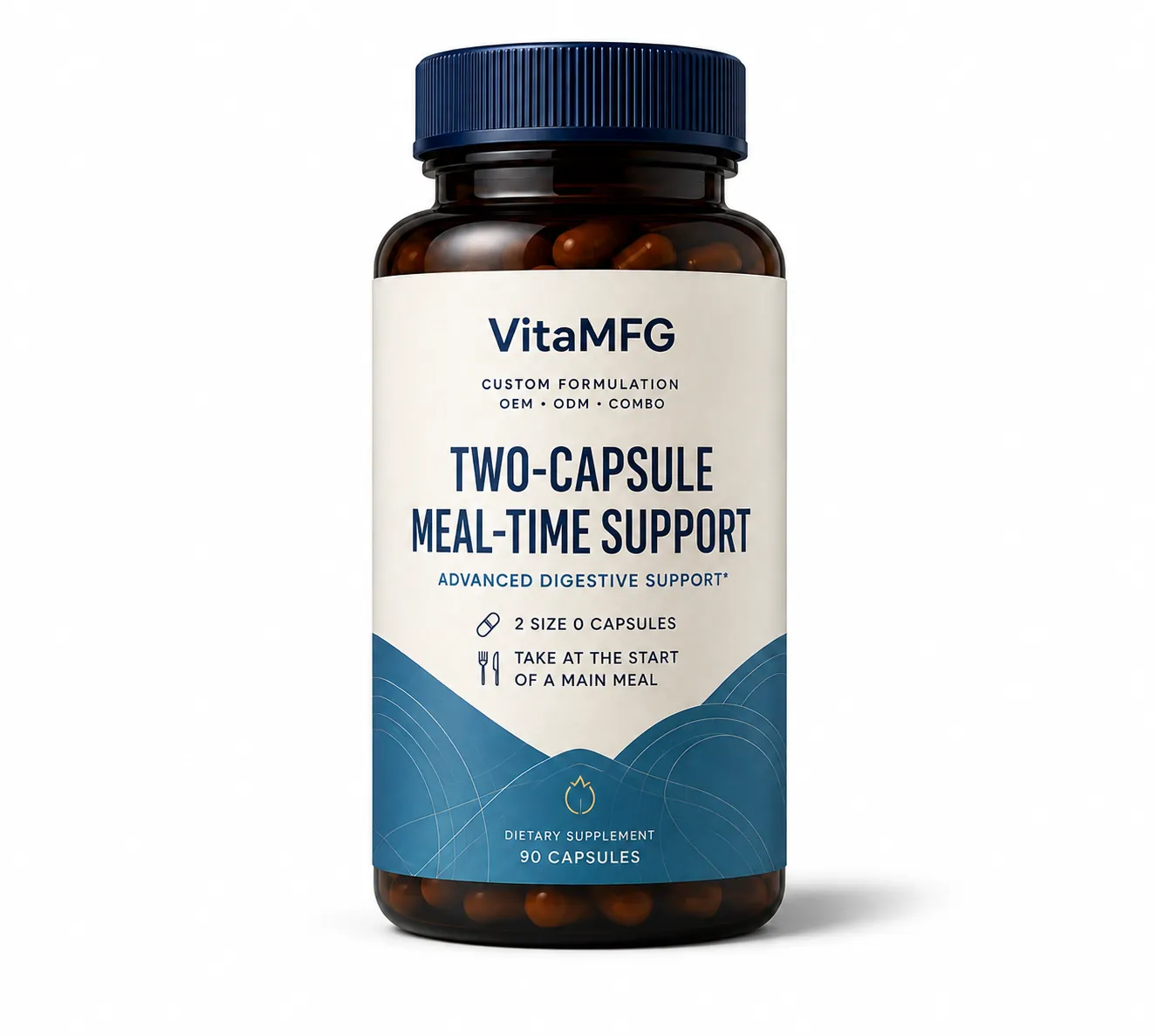
Two-Capsule Meal-Time Support
Two size 0 capsules are intended for use at the start of a main meal. Final directions must match the approved formula, label and destination market.
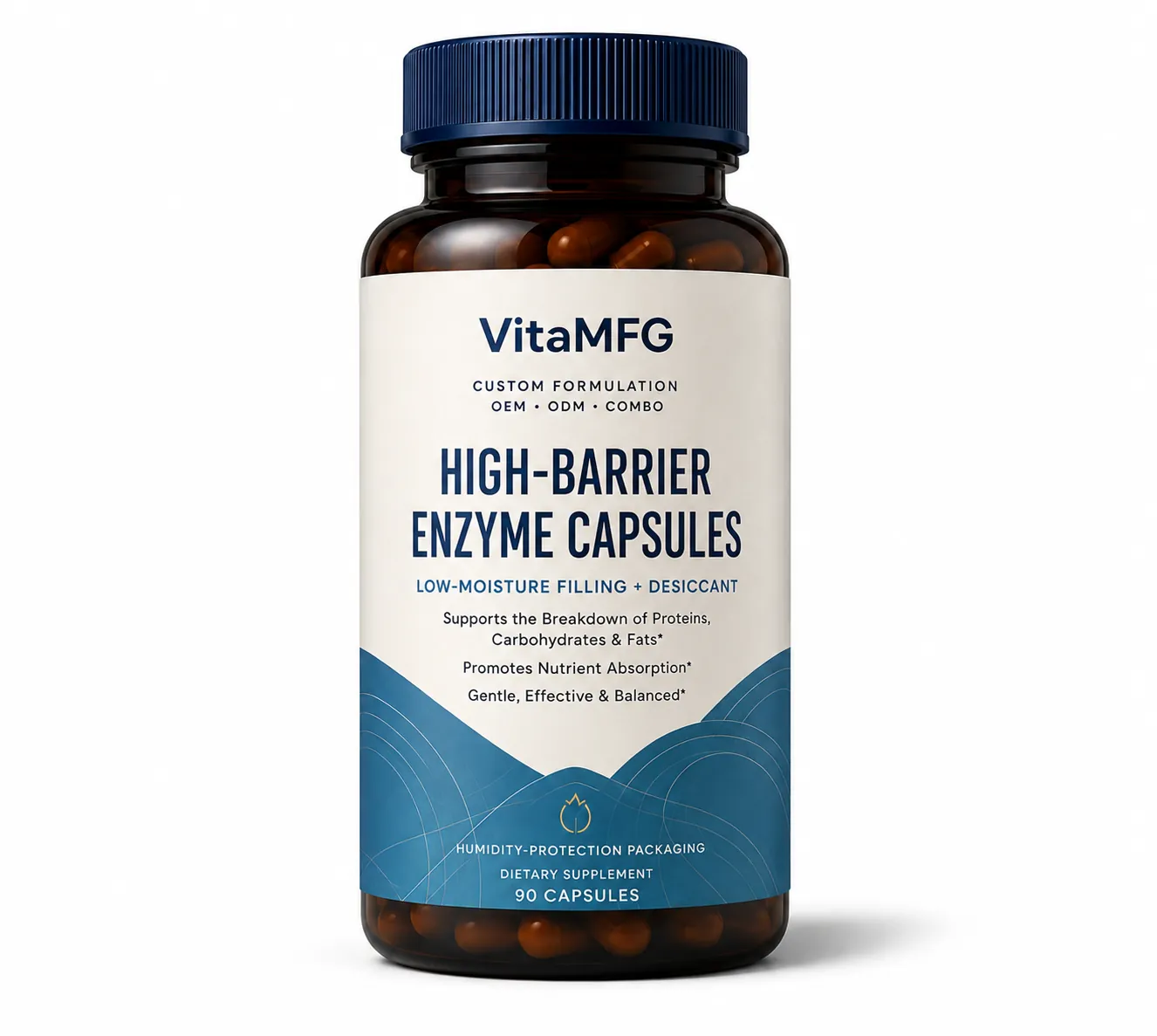
High-Barrier Enzyme Capsules
The formula is developed with low-moisture filling and a high-barrier bottle plus desiccant to reduce activity loss associated with humidity exposure.
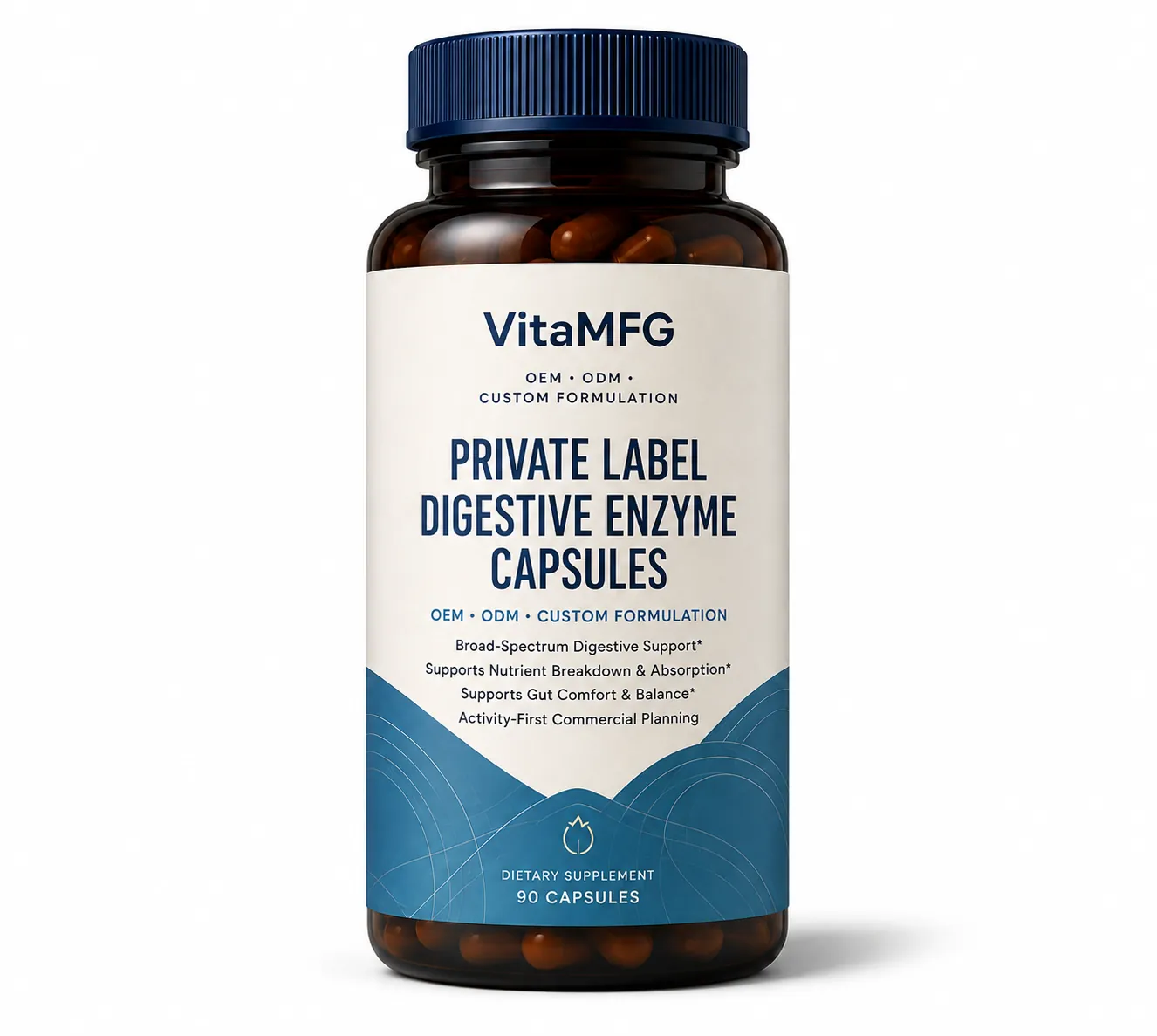
Private Label Digestive Enzyme Capsules
An OEM/ODM route covering enzyme qualification, activity calculations, formula fit, capsule filling, analytical testing, stability, packaging and commercial planning.
Product Advantages for Digestive Enzyme Capsules
The product story centers on four facts that can be checked through the formula, test methods and stability file.
HUT, DU and FIP Declared
Protease, amylase and lipase are expressed in their applicable activity units rather than being reduced to one blend-weight number.
Activity Targeted at Expiry
The proposed label values are end-of-shelf-life targets, not simply the amount calculated from ingredients on the filling day.
Three-Macronutrient Logic
The formula creates a clear protein, carbohydrate and fat activity story without turning normal digestive support into a disease claim.
Two Size 0 Capsules per Meal
The intended serving is compact and easy to explain, subject to real bulk-density, flow, fill-weight and disintegration testing.
Sell Enzyme Activity, Not 300 mg
A 300 mg blend can contain different enzymes, carriers and activity levels, so blend weight alone does not tell a buyer what the finished capsules deliver. VitaMFG begins with the target HUT, DU and FIP values, then reviews each raw material's source, carrier, assay basis and applicable method. The required input and any starting overage are calculated from actual activity rather than assumed from powder weight. Finished-product release and stability then check whether the three activity targets remain aligned with the proposed expiry label.
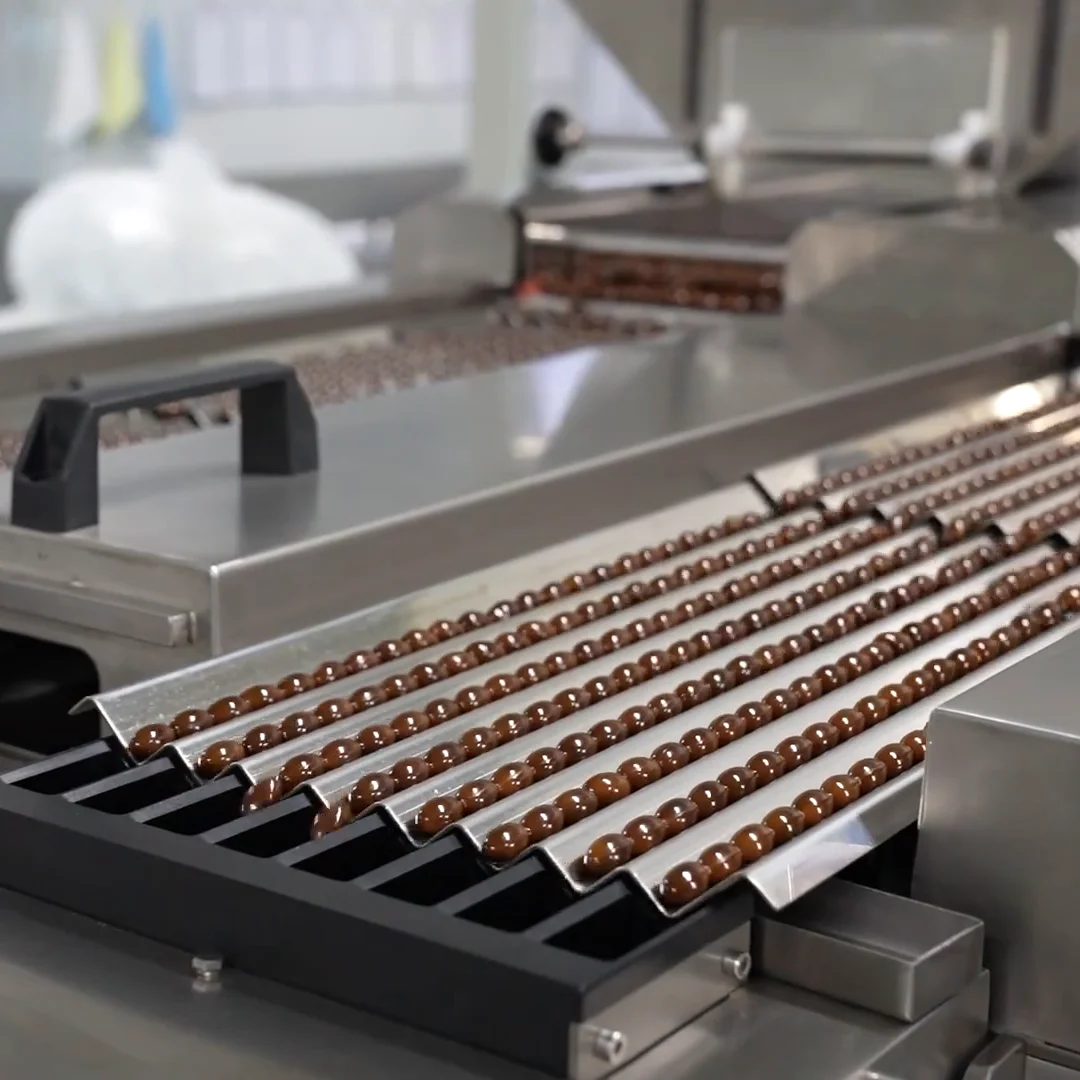
Protect Activity from Heat and Moisture
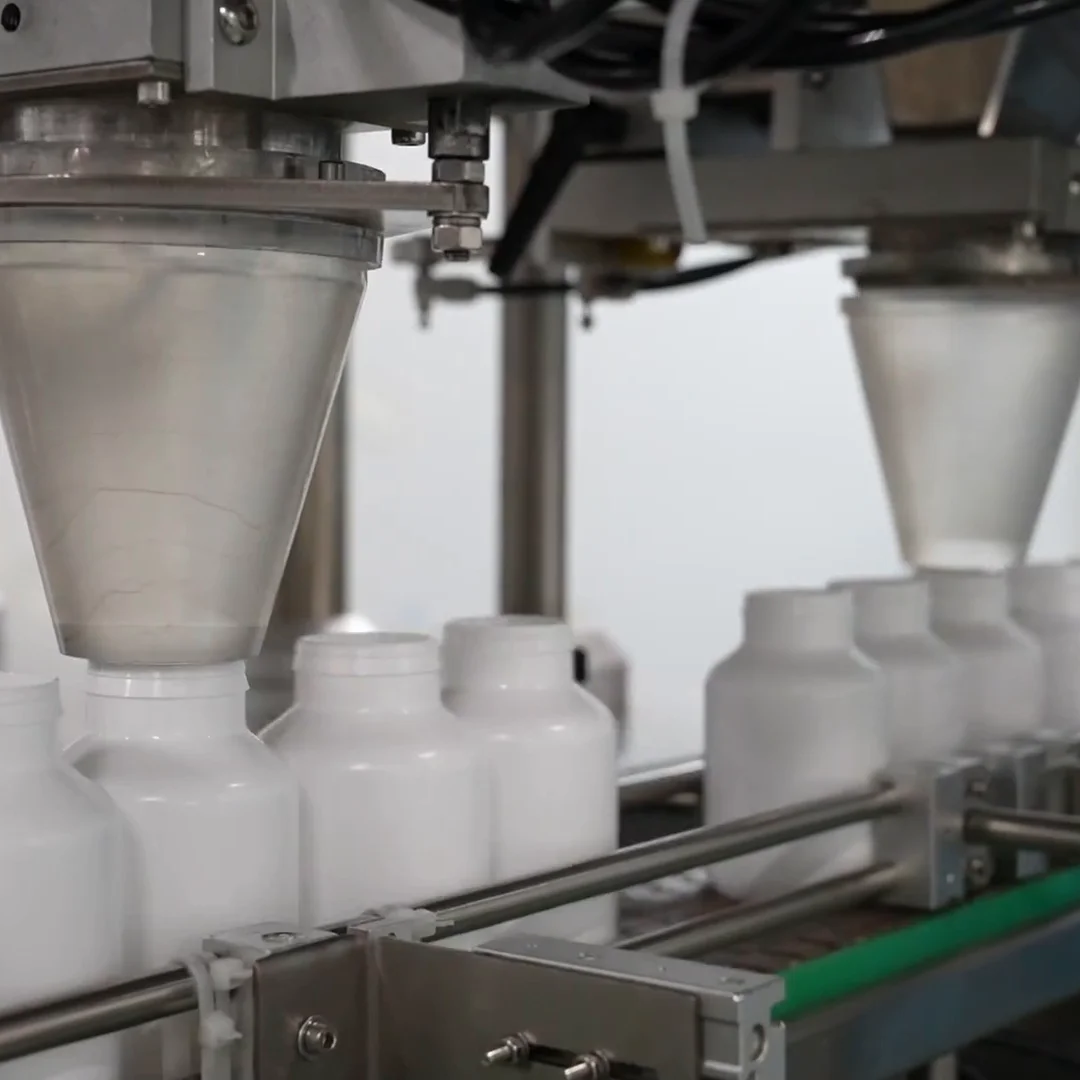
Enzymes can lose activity during processing and storage, especially when exposed to heat or moisture. Development therefore uses short, low-temperature, low-humidity handling and monitors moisture and water activity across the filled capsules. Direct filling is preferred when flow and uniformity allow it; granulation is considered only after its effect on activity is evaluated. High-barrier bottles, desiccant capacity, closure integrity and transport conditions are compared through stability data before storage wording and shelf life are approved.
Resource Center
Catalog Download
Explore VitaMFG capsule, gummy, powder, tablet and soft-chew supplement directions.
DownloadCertifications Download
Request the applicable enzyme-supplier, manufacturing-site and quality-system documents for qualification.
DownloadVideos
See the workflow from raw-material review and premixing through capsule filling, inspection and packaging.
Watch VideoActivity-Led Capsule Development
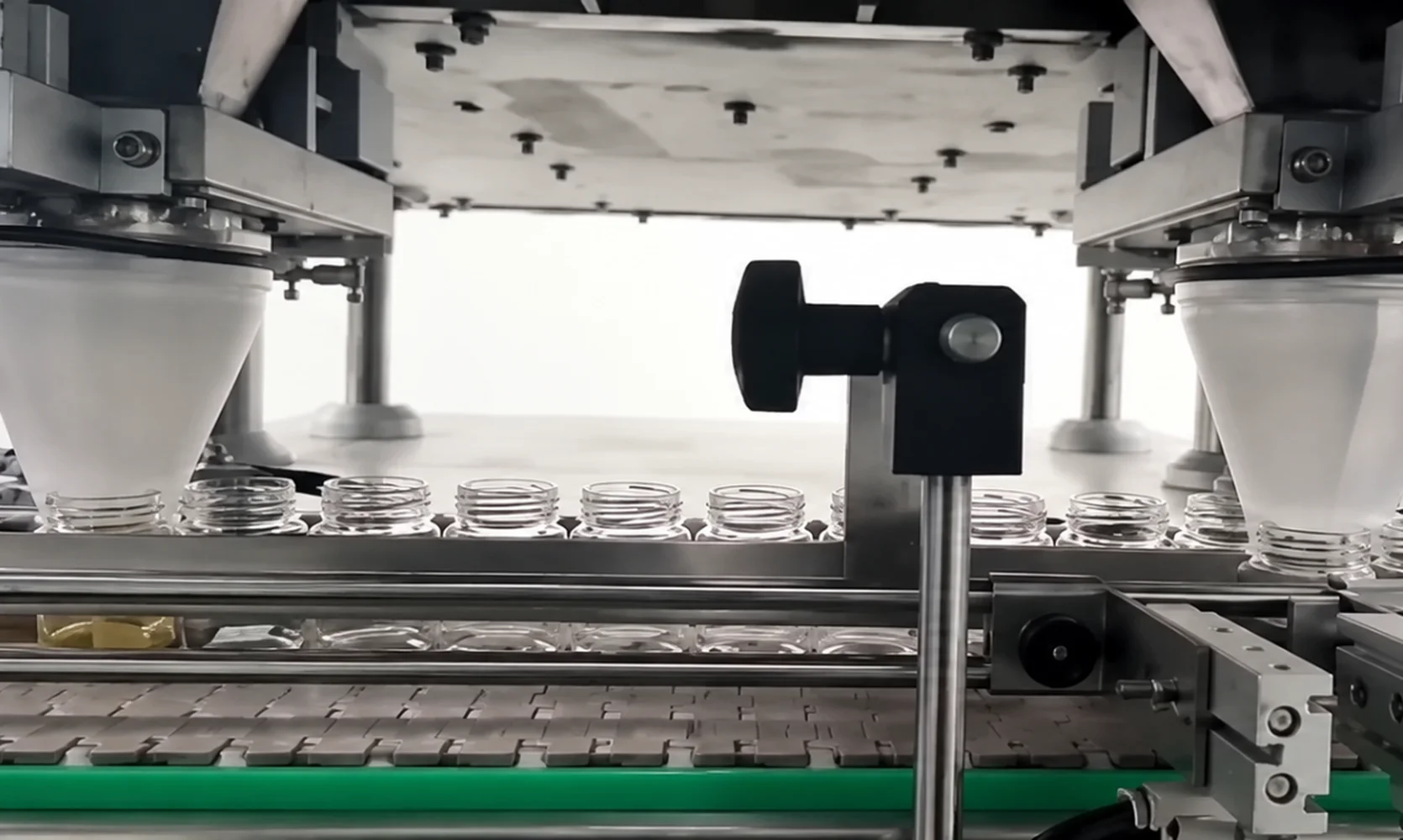
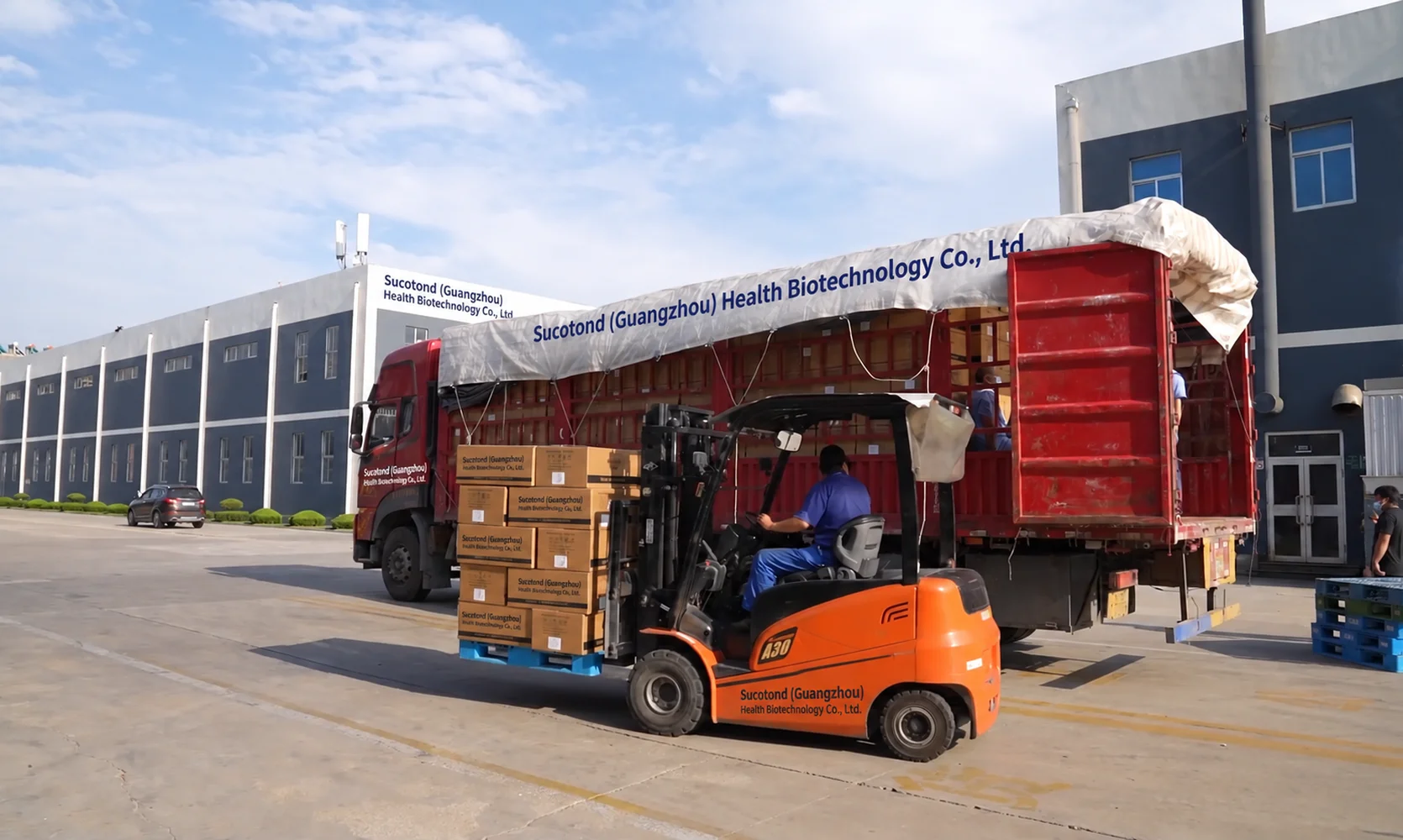
VitaMFG has more than five years of functional supplement development and manufacturing experience. For capsule projects, the team coordinates ingredient qualification, formula calculations, trial filling, analytical verification, packaging and commercial planning. The selected capsule production site's current certification scope and quality documents are supplied during customer qualification rather than assumed from another dosage form.
Each digestive-enzyme project moves through formula review, laboratory feasibility, initial testing, stability, pilot and commercial approval. Raw-material activity, input calculations, sampling records and finished-product results remain connected to the approved specification. Capacity, MOQ and timing are confirmed only after the enzyme sources, methods, capsule fit, packaging and destination market pass review.
Digestive Enzyme Projects for Different Markets
The same activity-first platform can support several sales channels without hiding the formula behind a large milligram number.
Daily Digestive Wellness Brands
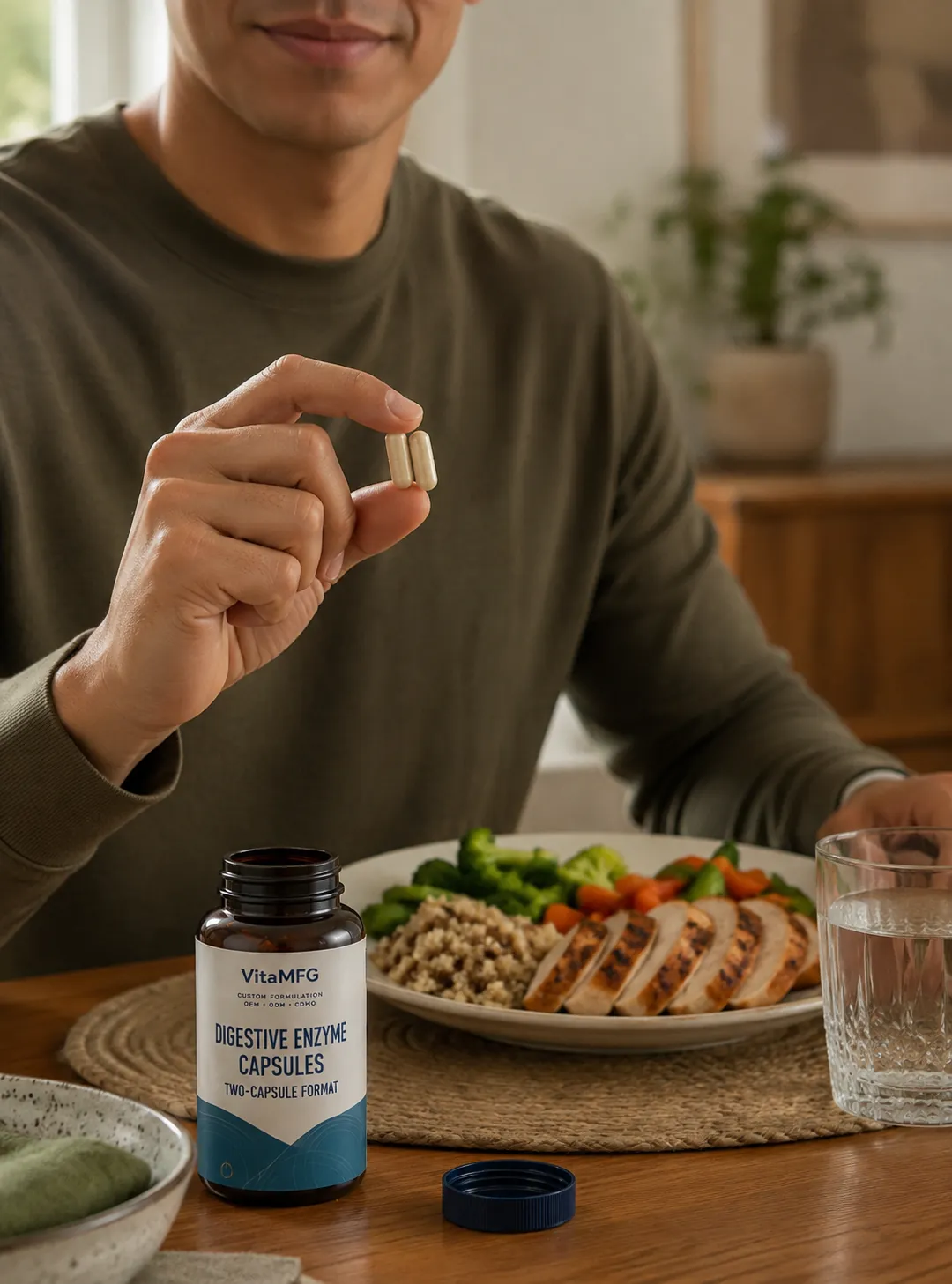
Build a simple meal-time product around three declared enzyme activities and two capsules per main meal. Consumer education should explain when to take the product and what each unit means in plain language.
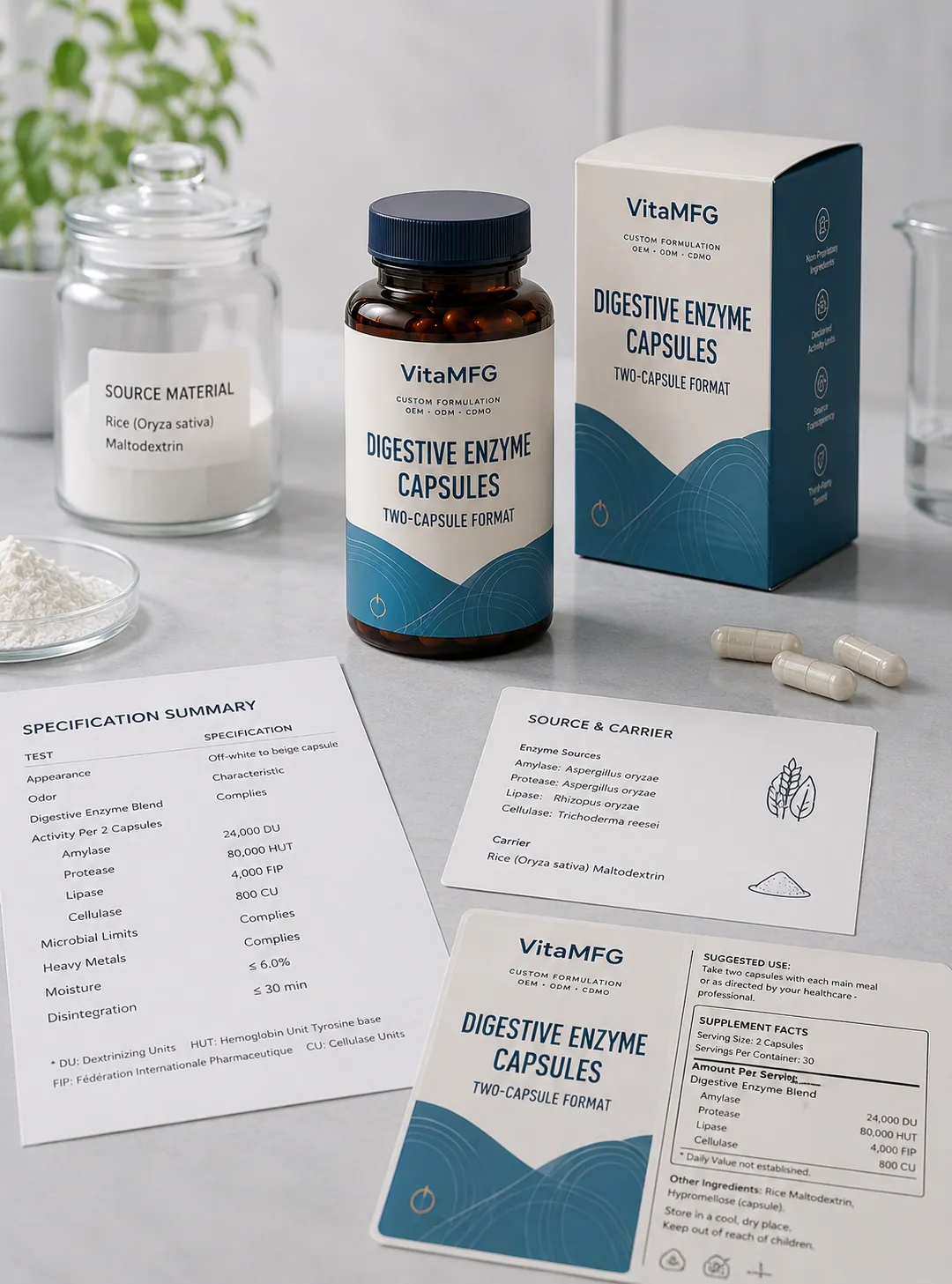
Transparency-Led Supplement Lines
Use a non-proprietary specification that states enzyme activities, sources and carrier information. This direction is suitable for brands that compete on labels buyers can compare and verify.
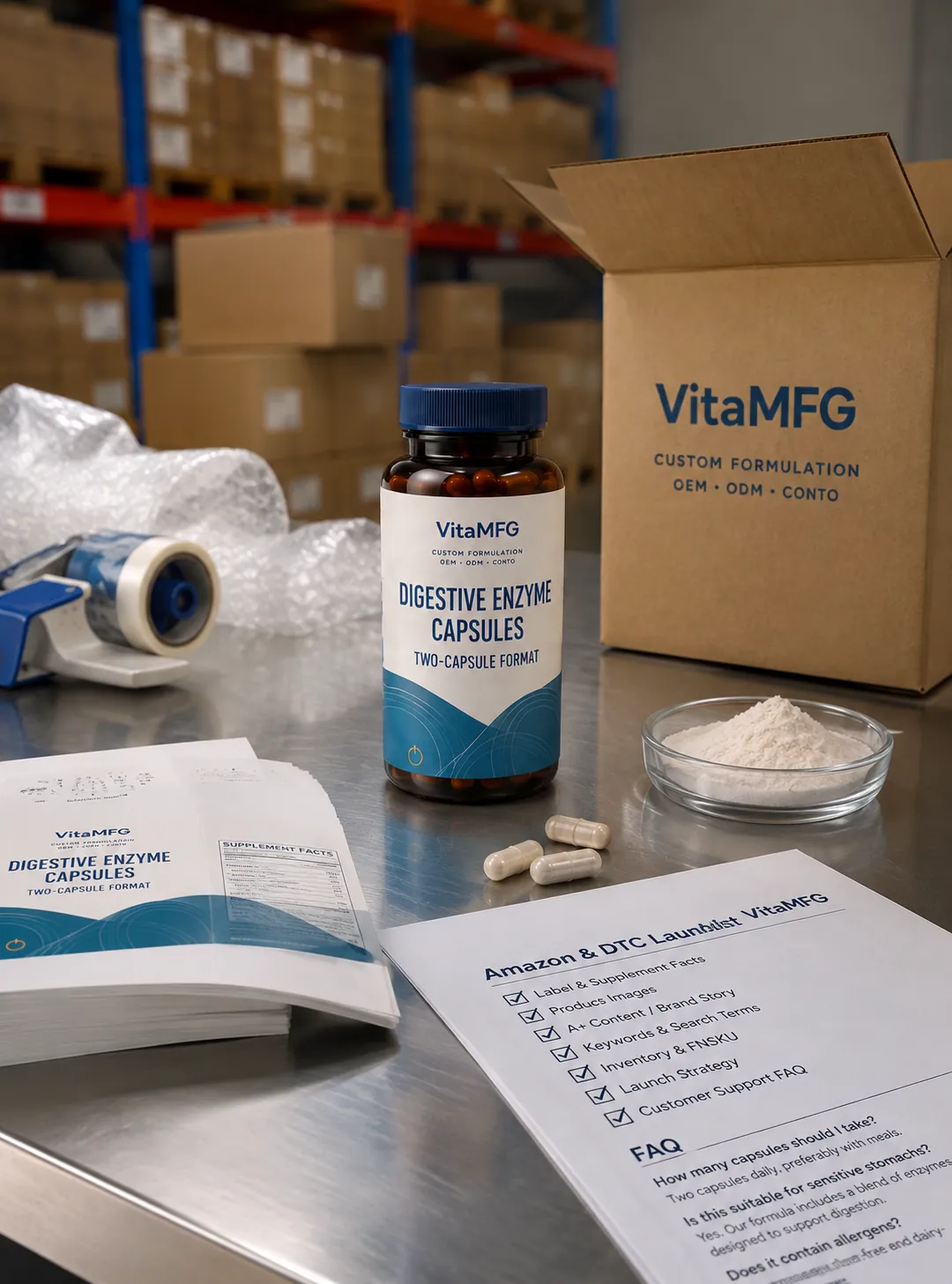
Amazon and DTC Projects
Answer the questions consumers raise online: How many capsules are taken? Is the product used before or with a meal? Are the capsules easy to swallow? Are activity units declared? Clear directions and unit education reduce confusion that a 300 mg blend name cannot solve.
Retail Private Label Projects
Start with the retailer's adult consumer, serving routine, shelf-life target, packaging format and price architecture. The formula, bottle count, stability program and substantiation route can then be reviewed against the intended launch market.
What Consumers Notice about Digestive Enzyme Capsules
Public category reviews show that meal-time directions, capsule size, odor, aftertaste and packaging usability influence the daily experience. These comments relate to third-party products; they are not reviews of a VitaMFG product and are not evidence that the proposed formula produces a health outcome.
Digestive Enzyme Capsules Product Specifications
| Parameter | Development Specification | Customization / Notes |
|---|---|---|
| Product Type | Digestive Enzyme Capsules | Private Label / OEM / ODM |
| Development Status | Wave 3 / Optimized development | US-first R&D target; not a production formula |
| Target Consumer | Adults seeking meal-time digestive support | Final age, health and warning boundaries require label review |
| Multi-Enzyme Blend | Target: 300 mg per serving | Complete enzyme and carrier composition must be disclosed |
| Protease | Target: 20,000 HUT at expiry | Fungal protease; method and starting activity require approval |
| Amylase | Target: 5,000 DU at expiry | Fungal amylase; method and starting activity require approval |
| Lipase | Target: 1,000 FIP at expiry | Microbial lipase; method and starting activity require approval |
| Serving Size | 2 capsules at the start of a main meal | Development baseline |
| Capsule Type | 2 × size 0 capsules | Shell composition and fill capacity remain to be approved |
| Overage | Activity- and stability-derived | No fixed excess before raw-material and finished-product data |
| Process Direction | Sifting → geometric premix → optional granulation → filling → inspection → packaging | Low-temperature, low-humidity handling; granulation must not compromise activity |
| Packaging | High-barrier bottle plus desiccant | WVTR/OTR, closure and transport performance require verification |
| Stability | Each enzyme activity tracked at initial and long-term points | Moisture, water activity, disintegration and packaging included |
| Testing Direction | Identity, enzyme activity, applicable uniformity, microbiology, heavy metals, contaminants, fill variation and disintegration | Method suitability and final limits follow the approved formula |
| Claim Boundary | Substantiated normal-digestion structure/function language only | No treatment of pancreatic disease, ulcers or persistent gastrointestinal symptoms |
| OEM/ODM | Supported after feasibility review | Review → Trial → Initial testing → Stability → Pilot → Commercial approval |
Frequently Asked Questions
Start Your Supplement Manufacturing Project
Tell us what you want to manufacture — including dosage form, formulation requirements, packaging, target market, and expected volume. We'll review your project and recommend the next steps.
Share your project details — our team will review feasibility, process alignment, and next steps.